
Heating · 24/7, no extra emergency fee
Furnace repair for Rock Hill’s first genuinely cold night
A furnace in this part of York County keeps a strange schedule. It sits quiet from March until the leaves are down, then one night the temperature drops into the twenties and the thing is asked to run for eighteen hours straight. That is when the failures show up, all over town, on the same morning. We answer the phone at that hour, the emergency costs the same as the appointment, and the trucks carry the parts that break first.
Family crew, Fort Mill based, 25 years in the trade, working every part of Rock Hill from the Old Town blocks to the newer rooftops out past Celanese Road. Diagnosis happens with meters, the repair gets priced in writing before anyone opens a box, and most no-heat calls finish on the first visit.
Why the no-heat calls all land on the same night
Six quiet months, then one long night
A gas furnace here runs hard for maybe three weeks out of the year. The rest of the time it sits in the dark doing nothing, which sounds harmless and is not. When the first real cold snap arrives and the system is asked for a full night of heat without a break, every weakness it picked up over the summer surfaces at once. Our phone does not ring gradually in November. It rings all at once.
Neighbors compare notes the next morning and it sounds like an epidemic. It is closer to a pop quiz. The furnaces that quit were already failing in September, they just had nothing asked of them. Same streets, same house age, different October.
How we run a cold snap day
On those mornings we triage instead of pretending. Households with no heat at all come before households that are merely cool, and families with small kids, older folks, or medical needs come first inside that group. If you are fourth in line, we tell you that you are fourth in line with a real window, rather than promising four people the same hour.
The rate does not move because the thermostat did. Nights, weekends, and the worst morning of the winter cost what a Tuesday afternoon costs. Call early on those days and describe what the system is doing, because that description decides which parts ride out on the truck.
What the idle months do inside the cabinet
Dust, mice, and parts that seize
Eight months of stillness is its own kind of wear. Dust films the flame sensor until it can no longer prove a flame, so the burners light, run a few seconds, and shut down over and over. Crawlspace furnaces collect mice, and mice collect insulation and wiring. Inducer motors that spun freely in March stick in November. Blower bearings that sat loaded in one position all summer come back dry and loud.
None of that is exotic, and none of it is costly to fix in isolation. It only gets expensive because it announces itself on the coldest morning, in the dark, when the schedule is full. A dirty flame sensor is a short job in October and a long wait in January. Same part, same furnace, very different day.
Why the fall look is worth it
A fall check is not a ritual. It is somebody putting a meter on the ignition sequence, cleaning the sensor, reading gas pressure, watching temperature rise, and listening to the blower while the house is still comfortable and there is time to order a part. Most of what fails on a cold snap morning was visible weeks earlier to anyone who looked. That is the entire argument for a furnace tune-up, and we make it knowing it costs us emergency calls.
If you already know your furnace is old and tired, say so on the phone. We will tell you honestly whether a check-up is the right spend or whether the money belongs in a replacement conversation instead.
No heat in Rock Hill tonight?
Tell us what the furnace is doing and we will tell you what it means. Same price at midnight as at noon, anywhere in the county.
Cold snap week in York County keeps every truck moving.
Mill houses, ranches, and where the furnace actually lives
Under the floor near Old Town
The 1920s and 1930s mill houses around Old Town were not built with mechanical rooms. The furnace usually ended up in the crawlspace, often decades after the house went up, and access ranges from tight to comical. Ductwork down there has frequently been rebuilt twice. Combustion air can be marginal depending on how the space was later closed in, which is one of the things a licensed technician checks before touching anything that burns.
Working in those spaces takes longer, and we say so up front instead of discovering it halfway through and revising the number. It also changes what fails. Damp crawlspace air is hard on sensors and flue connections, so corrosion shows up sooner than it would in a conditioned closet upstairs.
The ranch belt and the oversized furnace
The 1960s through 1980s ranch belt is a different animal. Those furnaces tend to live in a hall closet or a laundry alcove with a louvered door and barely enough room to pull the front panel. In the smaller houses the recurring problem is size: somebody replaced a furnace years ago and went a step bigger to be safe, and now it satisfies the thermostat in six minutes and shuts off.
That is short cycling, and it is hard on everything. Every startup is the roughest moment in a heating cycle, so a furnace firing dozens of times a day ages fast, stresses the heat exchanger, and leaves rooms uneven anyway. We will tell you whether it is an airflow or control fault we can fix, or a sizing decision made long before we got there.
Gas or heat pump sends the diagnosis two directions
Older stock, gas burners
Most of what heats with a gas furnace in this town was built before the 2000s. Those calls run the way you would expect: ignition sequence, flame proving, gas pressure, safeties, blower, and heat exchanger condition, checked in order with instruments rather than guessed at. Mill house, ranch, or an older subdivision off Cherry Road, this is usually your page.
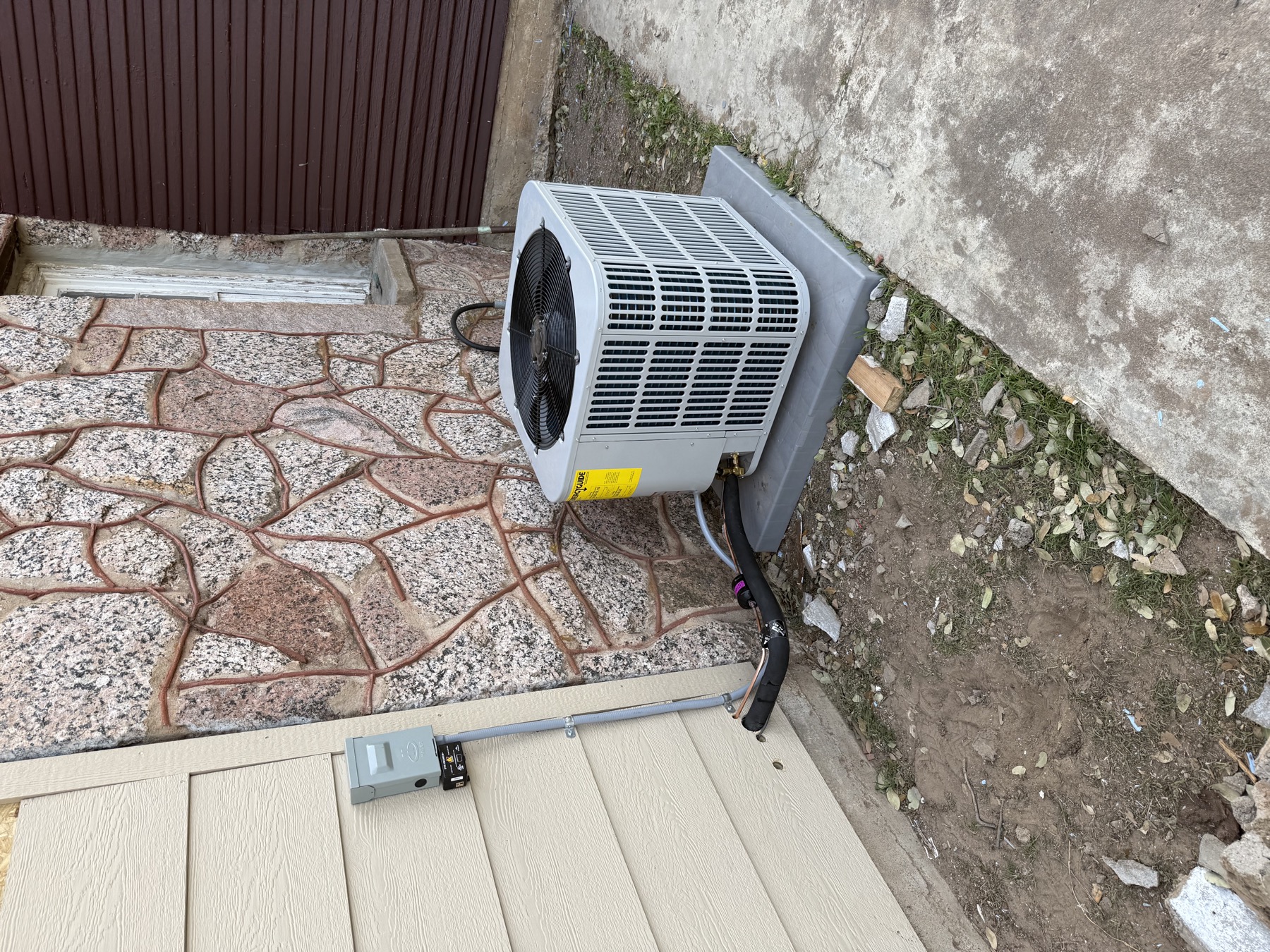
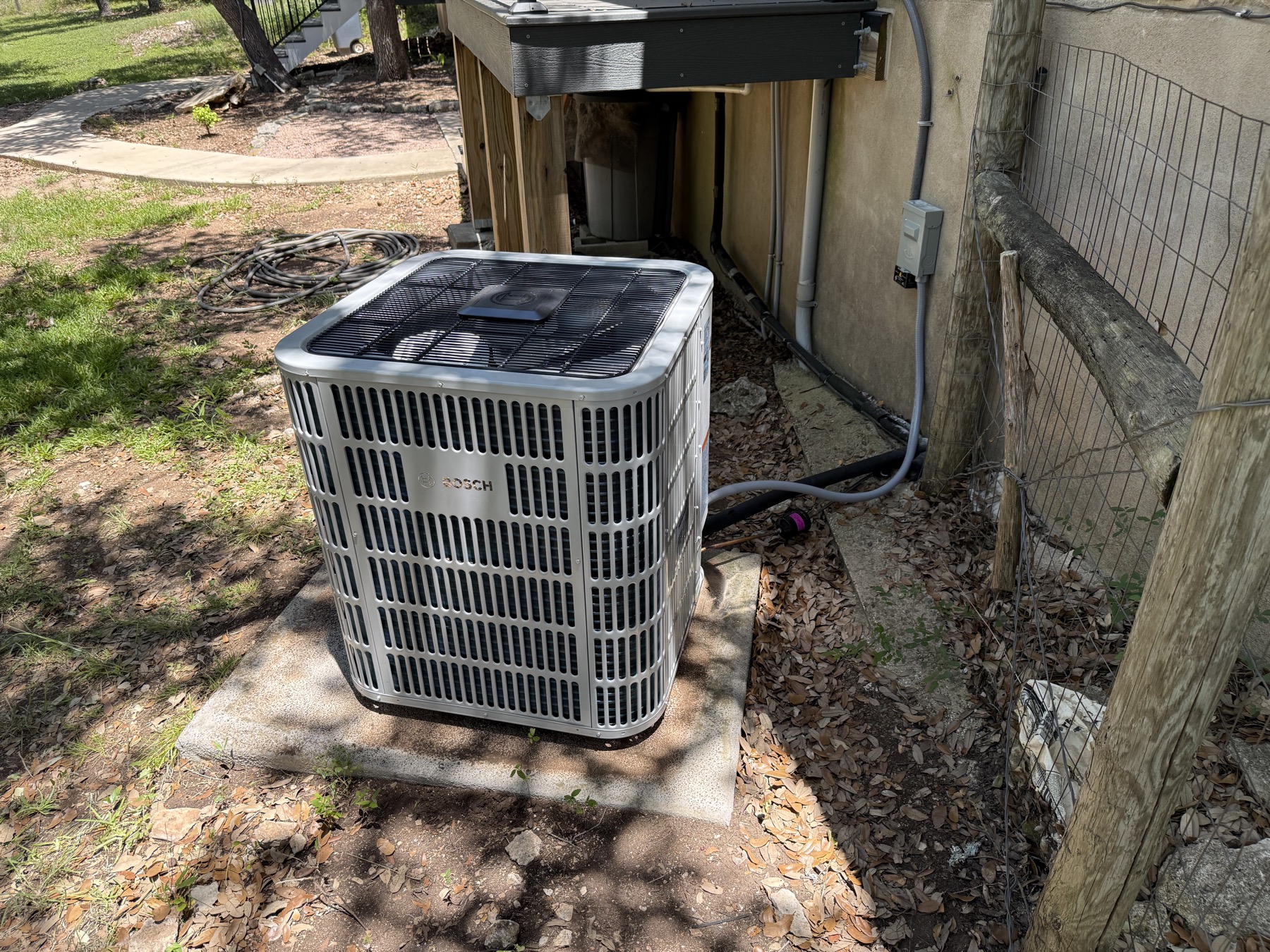
Newer construction is the split. Much of what has gone up around Rock Hill in the last twenty years heats with a heat pump and electric backup, with no furnace in the house at all. Homeowners still call it the furnace, which is fine, but the failure list is completely different, and additions heated by a ductless system are different again.
Diagnosis, not a parts swap
There is a version of this trade where the tech listens for thirty seconds, names the part he carries the most of, and swaps it. Sometimes it even works. What it cannot tell you is why the part died, which is how people buy the same igniter three winters running while the real fault sits upstream in a pressure switch, a venting problem, or airflow.
A real diagnostic reads the board’s fault history, tests the sequence step by step, checks static pressure and temperature rise, and confirms the failure before anything gets ordered. Then you get the cause in plain words, a written price, and an honest read on whether the repair buys a season or a decade. The old part stays with you, and the full heating cycle gets verified before the truck leaves.
Carbon monoxide is a stop, not a negotiation
A cracked heat exchanger is the one finding that ends the repair conversation. We do not patch them, seal them, or talk around them, because a crack is a path for combustion gases into the air your family breathes. When we find one, we show it to you, shut the unit down, and lay out replacement options honestly, including a safe way to keep the house warm while you decide.
We will not put a number on carbon monoxide, and neither should anyone else standing in your kitchen. What we will say is that a working carbon monoxide alarm belongs in any house with gas appliances, and that a burner smell, headaches that clear when you leave the house, or soot marks around a vent are all reasons to shut the system down and get a licensed technician in front of it the same day.
The money side stays simple. One upfront diagnostic rate, quoted on the phone before anyone drives, applied toward the repair when you go ahead. The work itself priced in writing before it starts, the same around the clock with no emergency surcharge, 10% off for teachers and service personnel, and financing available on the larger jobs. If the honest answer is that you should not spend anything today, the call cost you nothing.
Questions we get from Rock Hill kitchens
Why do all the furnace calls happen on the same day?
Because the furnace only matters here for a few weeks a year. It sits idle from spring into late fall, so nobody finds the corroded sensor or the stuck inducer until the night it is asked to run for hours. The failures were already there. The cold snap just collected them.
My furnace worked fine last March. Why would it quit now?
Sitting still is not the same as resting. Over an idle summer, dust builds on the flame sensor, damp air works on metal, mice find crawlspace equipment, and motors that sat in one position stiffen. A furnace that shut down in perfect health in March can absolutely refuse to light in November. It is the most common call we run.
The house smells dusty when the heat first comes on. Should I worry?
That first burn-off smell is normal at the start of the season and usually clears within a cycle or two. What is not normal is anything electrical, hot plastic, or sharp, or a smell that returns every cycle all winter. Those get a visit. Any gas smell is different: everyone out of the house, gas company from the driveway, us after that.
How do I tell whether I have a furnace or a heat pump?
Rough rule around here: older house with a gas line to the equipment, that is a furnace. Built in the last twenty years or so with the outdoor unit running on cold days, that is probably a heat pump with electric backup. Tell us what you can see when you call and we will sort it out before the truck loads.
The furnace is in the crawlspace. Does that change anything?
It changes access, which changes how long the visit takes, and we say that up front rather than surprising you later. It also changes what tends to fail, since damp air under an older house is hard on sensors, wiring, and flue connections. We look at the whole install down there, not only the part that stopped.
It heats in short bursts and shuts off again. What is that?
Short cycling, and it has several possible causes: a loaded filter starving the system, a failing sensor or limit switch, or a furnace sized too big for a small house years ago. It is hard on the equipment either way, so it is worth diagnosing properly instead of living with it through another winter.
What happens if you find a cracked heat exchanger?
We show it to you, shut the furnace down, and talk about replacement honestly, including how to keep the house warm safely in the meantime. We will not patch one or tell you it is fine until spring. That is the one repair we refuse to sell, and any company offering it cheap is offering something we would not accept in our own house.
The rest of the work in this town
This is the Rock Hill version of our furnace repair service, run by the same crew that covers the rest of York County. Same phone number after dark, same price.
AC Repair · Heat Pump Services · Ductless Mini Splits · Emergency HVAC · Rock Hill, SC
Want proof before the phone call? The gallery is all real jobs.