
Heating and cooling in one machine · Both directions tested, every visit
Heat pumps were practically built for Carolina weather. We keep yours running exactly that way.
A heat pump is two machines wearing one cabinet: your air conditioner all summer and your heater for most of the winter. The Charlotte metro’s mild-winter, brutal-summer weather profile is close to ideal heat pump territory, which is why so many homes on both sides of the state line run them, and why a crew that only half-understands them ends up costing those owners real money every season.
We install, repair, and maintain heat pumps across the whole radius, and every visit tests both directions before the truck leaves, because a heat pump that cools perfectly can still be quietly failing at its winter job.
Why heat pumps fit this climate so well
The physics favors us here
A heat pump does not make heat, it moves it, which is dramatically cheaper than making it from resistance strips and meaningfully cheaper than gas for most of a mild winter. Carolina winters spend the bulk of their days in the 30s and 40s, squarely inside the range where modern heat pumps run at their most efficient, and our summers are exactly the cooling workload these systems already handle as air conditioners.
The old reputation about heat pumps failing in real cold belongs to equipment from two decades ago. Modern units hold strong efficiency well below freezing, and for the two or three genuine teens-and-twenties snaps each winter, backup heat carries the gap. For a huge share of homes in our radius, the honest arithmetic says the heat pump is the right machine.
Where the money leaks, and how we find it
The most expensive heat pump problem in the Carolinas is invisible: a system that quietly stops keeping up and hands the work to its auxiliary heat strips, which deliver the same warmth at several times the cost. Owners often discover it through a power bill rather than a symptom. Causes range from low charge to failing reversing valves to defrost boards misbehaving, and every one of them is cheaper than the bills it causes.
That is why our heat pump visits check the whole winter chain, every time: charge verified against spec, defrost cycle exercised, reversing valve tested in both directions, strip heat confirmed to engage only when it genuinely should, and the thermostat’s staging settings reviewed, because a wrong setting there can burn strip heat all season without anyone noticing. If your winter bills have crept up without a weather explanation, this checkup pays for itself embarrassingly fast.
Install, repair, and the discipline both deserve
Heat pump installation done whole
A heat pump install carries every discipline of an AC install plus the winter half: sizing from a real load calculation that considers both seasons, matched indoor equipment, line sets run and insulated properly, and charge set to spec with instruments. Then the part many crews skip entirely: configuring backup heat correctly, setting balance points, and dialing thermostat staging so the expensive strips stay asleep until genuinely needed.
Dual-fuel setups, a heat pump paired with a gas furnace, get the handoff temperature engineered rather than defaulted, because that one setting decides which fuel carries which weather and the wrong value burns money in both directions. Commissioning covers heating and cooling modes both, and the numbers go in your file like every EZ install.
Repairs by people who speak the language
Heat pump faults have their own vocabulary: reversing valves stuck between modes, defrost boards that let the outdoor coil grow an igloo, sensors that misread and trigger strip heat constantly, and refrigerant circuits doing double duty across seasons. Diagnosing them takes familiarity, and treating a heat pump like a slightly weird AC is how other companies’ misdiagnoses end up in our before photos.
We carry the common parts, we answer 24/7 with no emergency surcharge, and we test both directions after every repair, winter mode and summer mode, before calling anything fixed. Frost on the outdoor unit in winter is normal for short stretches, and part of every repair visit is teaching you which behaviors are the system working correctly versus asking for help.

Mid-service on a Daikin condenser.
Owning a heat pump here, practically
The two-season maintenance rhythm
Because it never gets an off season, a heat pump earns its twice-yearly service more than any other machine in your house. Spring service preps the cooling half: coils, charge, drainage, airflow. Fall service preps the winter half: defrost, reversing valve, strips, staging. Skipping either one leaves half your year unverified, and the machine that runs all twelve months has the least slack for neglect.
Filters matter double for the same reason. A choked filter strains the blower in July and again in January, and it is the single most common thing we find behind a struggling system in either season. Monthly checks in heavy seasons, changes when it looks like a lint trap, and if the filter lives somewhere unreachable, tell us and we will fix that too.
Signals worth a phone call
Call us when the outdoor unit ices into a solid block rather than a light frost, when the system runs constantly without holding temperature, when your winter bill jumps without a weather excuse, when the outdoor unit gets loud or rhythmic in a new way, or when the air from the vents in heating mode goes from warm to merely room temperature. Each of those is the system asking early, while the fix is still small.
And if your house still heats with strips alone, or your old heat pump predates the modern generation, bring us a winter power bill and twenty minutes. The upgrade math in this climate is some of the most satisfying arithmetic we get to do at kitchen tables, and when it does not pencil for your situation, we will say that too.
Upgrades and edge cases we handle weekly
From strips-only to sane bills
A meaningful share of older homes around Rock Hill, Lancaster, and Chester still heat entirely on electric resistance, which is the most expensive warmth sold in the Carolinas. Converting those homes to a heat pump is the biggest bill-cut we know how to deliver: the same air handler bones often stay, the strips demote to backup duty, and the winter power bill steps down hard enough that customers call to ask whether the meter broke.
The math is house-specific and we run it honestly from your actual bills, including the cases where it does not pencil, like short remaining occupancy or panels needing upgrades that eat the savings. But when it works, and it usually works, it is the closest thing to found money in residential HVAC.
Storms, surges, and Carolina specifics
Charlotte metro summers throw serious lightning, and heat pump boards absorb more of it than any other component we replace. A hard-start kit and surge protection at the condenser are cheap insurance we recommend without embarrassment, especially in neighborhoods where the grid hiccups every storm season. After any direct-strike event nearby, a quick system check beats discovering damage in the next season’s first week.
Coastal-grade corrosion is not our problem this far inland, but pollen absolutely is: a heat pump coil coated in April yellow works harder in both directions all year. Twice-yearly cleaning keeps the machine breathing, and it is one more reason the two-season service rhythm fits this specific climate so well.
Heat pump pricing, same rules as everything
Diagnostics at one upfront rate quoted before anyone drives, repairs priced in writing before work starts, 24/7 with no emergency surcharge, and 10% off for teachers and service personnel every visit. New installs and replacements get the whole-job written number, identical whether you pay outright or run qualifying work through Optimus Financing, with the pricing visit free anywhere in the radius.
Heat pump advice comes with the same guarantee as the rest of the company: if the honest answer is that your current system has years left, or that a different setup fits your house better than the one we would profit most from, that is the answer you get, in writing, with the reasoning attached and no follow-up sales calls afterward.
Want a straight answer first?
Ten minutes on the phone usually tells us plenty. The visit puts real numbers on it, in writing, before any work starts.
Heat pump questions from both sides of the state line
Is a heat pump enough for Carolina winters?
For most homes in our radius, comfortably yes. Modern units hold strong output through the 30s and 40s where our winters live, and backup heat covers the few genuine cold snaps. The honest qualifier is sizing and installation: a right-sized, well-installed heat pump carries this climate gracefully, and a wrong one gives the whole technology an undeserved bad name.
Why is my outdoor unit steaming or frosty in winter?
Usually because it is working correctly. Heat pumps frost naturally in cold humid weather and periodically defrost themselves, which produces steam that alarms half the neighborhood every January. Light frost that comes and goes is normal. A solid block of ice that never clears, or defrost cycles that run constantly, deserve a call.
What is auxiliary heat and why is it on my thermostat?
Auxiliary heat is the backup, usually electric strips, that assists when the heat pump alone cannot keep pace or while it defrosts. Brief appearances during cold snaps are normal. Constant appearances are your power bill on fire, and the causes, from charge to sensors to thermostat settings, are exactly what our winter checkup hunts down.
Heat pump or gas furnace: which should I choose?
House by house, and we will run your actual numbers rather than recite ideology. Heat pumps win most mild-winter operating math, gas brings muscle for cold snaps and fast recovery, and dual-fuel pairings capture both when the budget allows. Your existing equipment, gas availability, and your bills decide it, and sometimes the answer is keep what you have.
How long do heat pumps last here?
Ten to fifteen years is the honest range, with the twelve-month workload arguing for the low end when maintenance is skipped and the high end when it is not. Twice-yearly service is the difference, and installation quality, as always, is the biggest variable you control once, at purchase.
My heat pump blows air that feels cool but the house stays warm. Normal?
Usually, yes, and it surprises every first-time heat pump owner. Heat pump supply air runs cooler than furnace air while still being well above room temperature, so it heats the house while feeling merely mild on your hand. If the house holds temperature and the bills look sane, the system is doing its job. If the house is losing ground, that is the version worth a call.
What should I set my thermostat to in winter?
Steadier beats clever with heat pumps. Big overnight setbacks that feel thrifty can summon expensive auxiliary heat every morning to recover, erasing the savings and then some. Modest setbacks, or simply a consistent temperature, usually win on real bills. If you like schedules, we will configure staging so the strips stay out of your morning routine.
Do you service ductless mini-split heat pumps too?
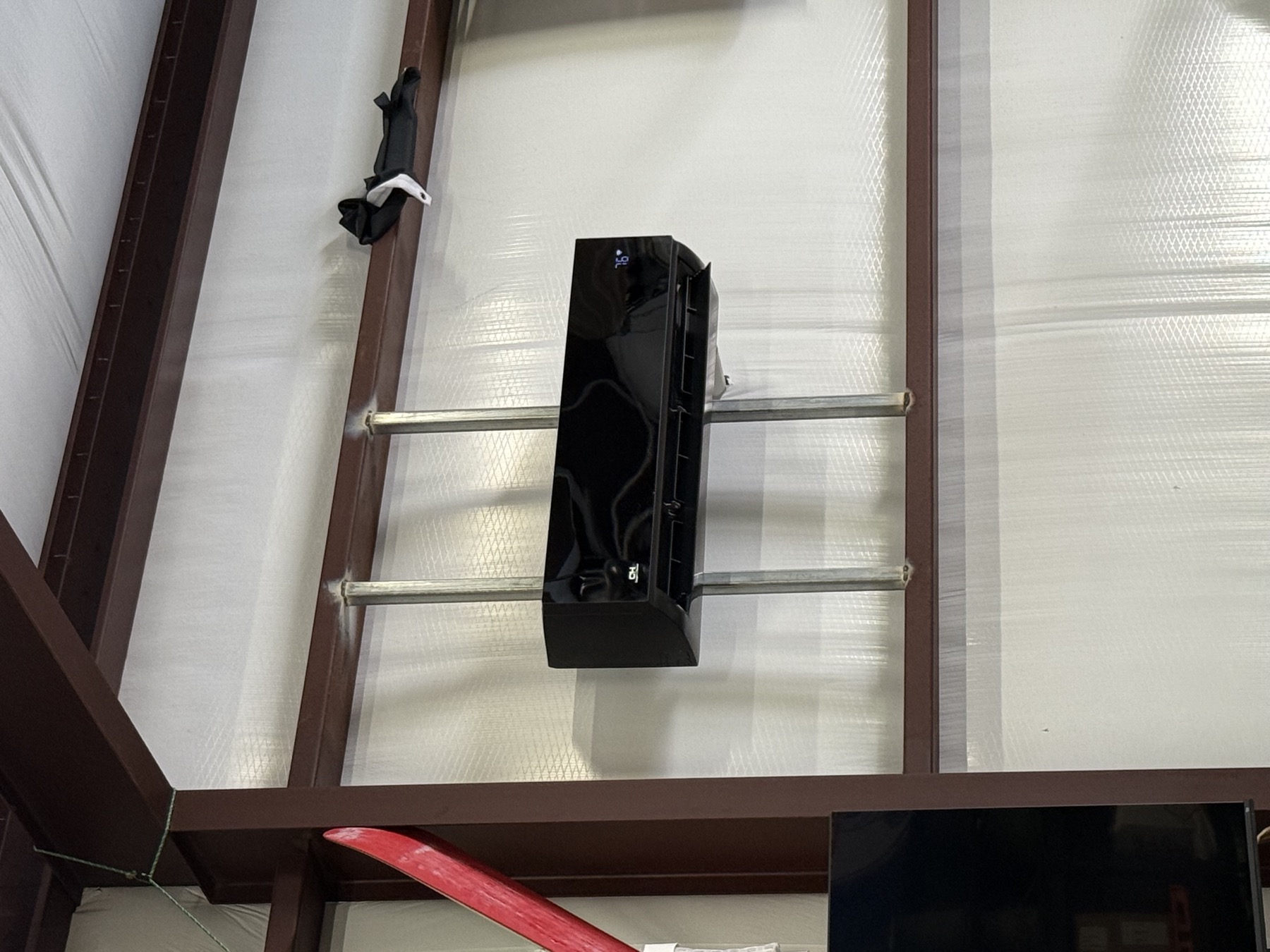
Yes, and they get their own pages on this site because the details differ. Wall-mounted ductless systems are heat pumps at heart, and the diagnostic language carries over. The same crew, the same 24/7 line, and the same both-directions testing applies across everything with a reversing valve.
The heat pump neighborhood
Heat pump decisions border furnace territory on one side and ductless territory on the other, with maintenance running underneath all of it.
Furnace Installation·Furnace Tune-Up·Ductless Mini Splits·AC Repair·Smart Thermostats
Want proof before the phone call? The gallery is all real jobs, and the financing page covers the big-ticket math.