
Clover · First cold snap, fair warning
The heat quit on the coldest morning, so we start with the flame
Every fall there is a first cold morning in Clover when a furnace nobody serviced finally stops. The burners light and drop out, or the blower pushes cold air while the family stands around the registers in socks. We come out, watch the ignition sequence, read the flame, and write down what the repair costs before a single part comes off.
EZ Heating and Cooling is Zach and Eric Massey and a family crew with 25 years on the tools. Our Fort Mill shop sits an easy drive east of town, and the heating line answers through the night without adding a fee for the hour.
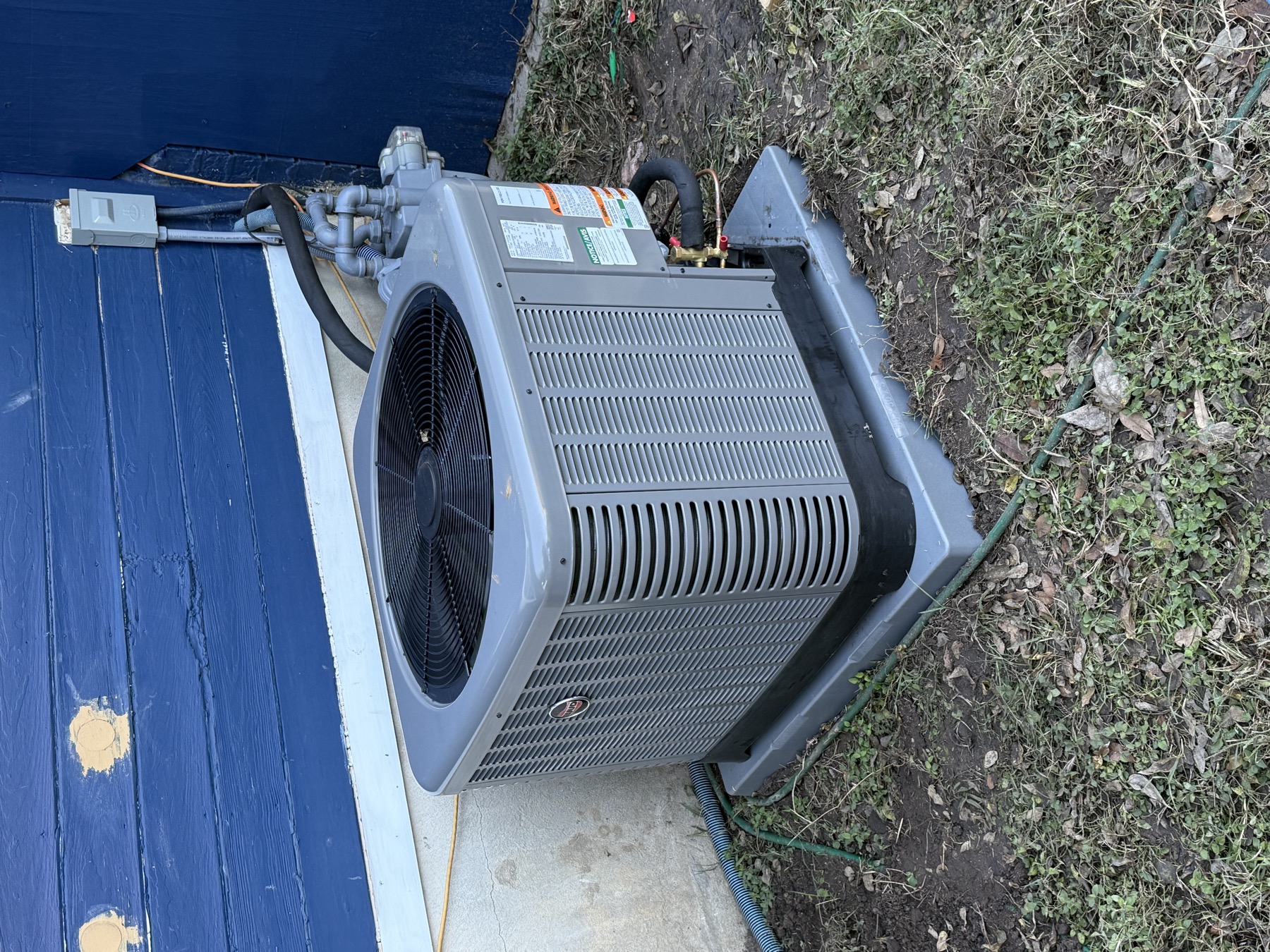
The first cold morning finds the skipped tune-ups
Why so many fail the same week
A furnace can sit quiet from April to November with a dirty flame sensor, a cracked igniter, or a filter that went gray back in July, and nobody knows. Then the first real cold snap asks the whole town to start its heat on the same night. Maintained systems light and run. The ones that were skipped start calling us before sunrise.
That rush is predictable enough to plan around. Flame sensors, igniters, and inducer parts ride on our trucks all fall, which is why most no-heat calls on the western route close out on the first trip.
What we check on a no-heat call
We start at the thermostat and the power switch, because a flipped switch or a dead battery has fooled plenty of sensible people. Then comes the sequence: inducer, pressure switch, igniter, gas valve, and whether the flame sensor proves the flame. Each stage passes or tells us exactly where the chain broke.
A flame sensor coated with residue is a regular on our fall calls. It reads the flame, decides nothing is there, and shuts the gas off for safety. Cleaning or replacing it goes quickly. Finding it takes a technician who actually stands there and watches the sequence run.
Closets, crawlspaces and the mill-block furnace
Tight quarters in older houses
The older mill houses in Clover are small, and the heating equipment went wherever it fit. Upflow furnaces sit in narrow closets with the coil stacked on top. Others sit down in the crawlspace. Both spots make service slower, and both punish a system nobody has opened in years.
A closet furnace starved for return air runs hot and trips its high limit. A crawlspace unit breathes damp air and rusts from the bottom up. So we look at the space the equipment lives in along with the equipment itself.
Tight closets also collect stored things over the years: boxes, paint cans, a mop leaning on the cabinet. Anything blocking the return or sitting near the burners is a problem, and we tell you what needs moving and why before we close the door behind us.
We go where the furnace is
When the furnace is under the house, we go under the house. We check the cabinet, the venting, the gas connection, and the condensate path, then follow the ducts away from the unit, since a crushed or disconnected run under the floor steals heat from every room it feeds.
Older frames carry renovation histories too. An addition may have been tied into ductwork that was already undersized, and the back bedroom has been cold ever since. We point that out when we see it, whether or not you called about it, and price it separately so the choice stays yours.
Reading the flame before we quote a part
Guessing gets expensive on a furnace. A pressure switch fault can look like a bad inducer motor, and a weak igniter can pass for a failed gas valve. So the visit runs on instruments: temperature rise across the heat exchanger, gas pressure, airflow, and a close look at the heat exchanger itself whenever the age of the unit calls for it.
Then you hear what failed in plain words and see the honest number in writing, and work starts after you say yes. If a cracked heat exchanger turns up, we show it to you, because a furnace that could leak carbon monoxide calls for a very different conversation than one that needs a sensor. Teachers and service personnel still get their ten percent, and a midnight winter call carries no extra charge.
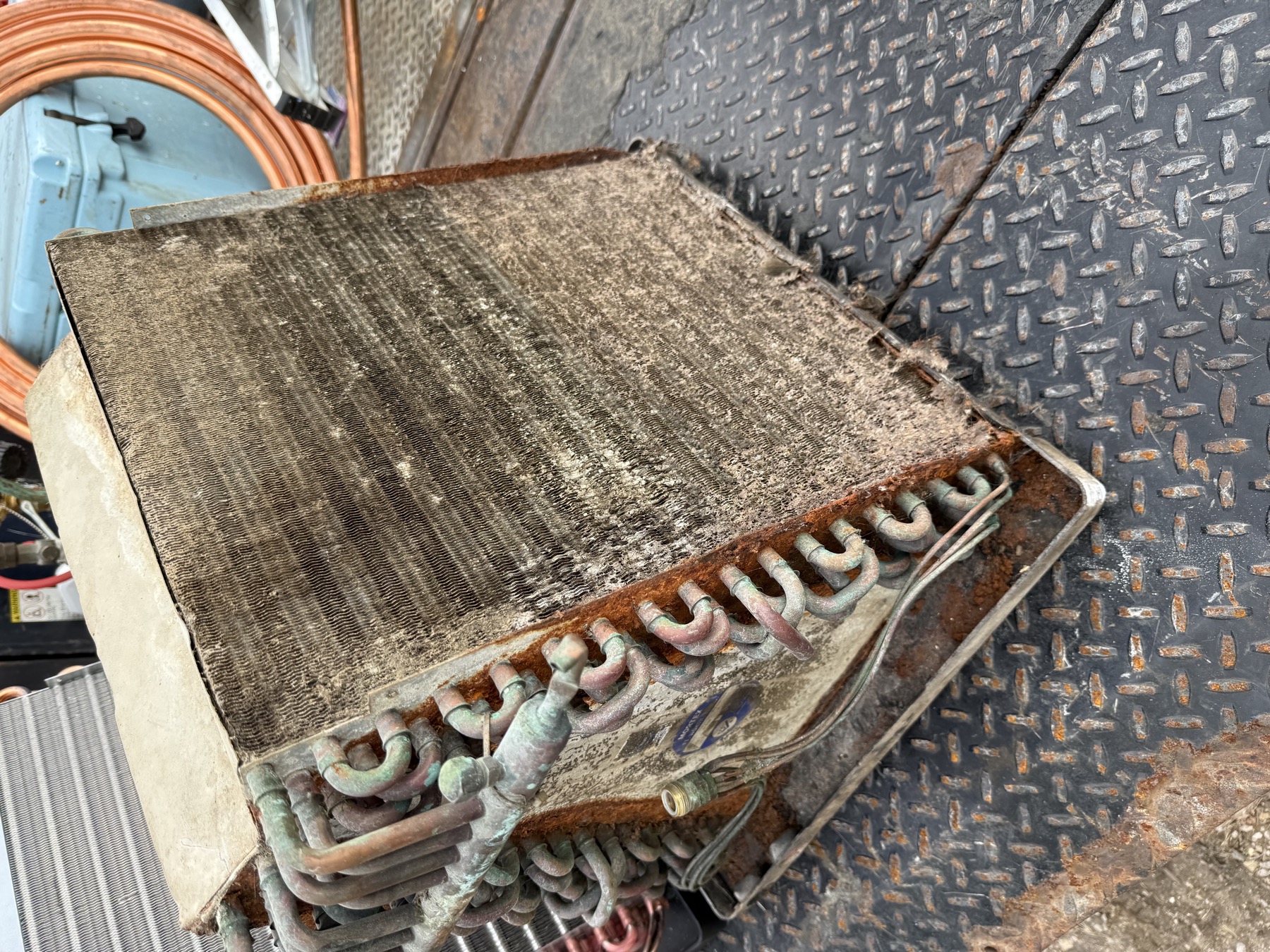
Flex runs over blown insulation, where a crushed or loose joint quietly dumps heat into the attic.
Heat you paid for, lost in the attic
The duct half of a heating complaint
Plenty of calls that start with the furnace end in the ductwork. A burner can make exactly the heat it should and still leave the upstairs cold, because the air travels through sagging flex, crushed joints, and seams leaking into the attic or under the house. In older Clover frames, layered renovations left runs that somebody improvised decades ago.
We measure air temperature at the furnace and again at the registers, and a big drop between the two points straight at the ducts. Straightening out ductwork that several owners added onto is slow work, and we like doing it.
Crawlspace ducts earn their own flashlight tour. Moisture works on the jackets, and an elbow knocked loose during some old plumbing job can dump warm air under the floor for years before anyone thinks to look down there.
Newer houses have their own version
Along the Highway 55 corridor, ducts in new construction are often built to the inspection minimum. They pass on paper and come up short in January. Filters arrive undersized, dampers sit wherever the installer left them, and the bonus room over the garage never keeps up.
Plenty of the builder systems out there are heat pumps, and cold-morning behavior on those is different enough to get its own page: heat pump service in Clover. Come summer, the same ducts carry the cooling covered on our Clover AC repair page.
When the old furnace has earned its retirement
Repair first, when it makes sense
Plenty of the furnaces we see on the in-town streets are worth fixing at least once more. An igniter, a sensor, a blower capacitor, an inducer: these are ordinary parts, and replacing one does not mean the furnace is finished. We would rather keep a sound veteran working than talk anyone into equipment they have no need for.
When a family asks us to look over somebody else’s replacement quote, that second opinion is free. Often enough the answer turns out to be one part and a few more winters.
Winter repairs run on the same flat pricing as the rest of our work, with no mileage added for the long acreage drives west of town and a straight arrival window on the two-lane roads.
When the math turns
A cracked heat exchanger, rust through the cabinet, or a repair list long enough to rival a new system tips things the other way. We show you both numbers and leave the decision with you. Optimus financing helps when a replacement lands at a bad time of year, which with furnaces is most of the time.
If your house heats with electric strips instead of gas, ask about a heat pump conversion while we are there. Ducts get fabricated in our own warehouse, which keeps a replacement to a single day. The main furnace repair page has more.
Cold house right now?
Call and describe what the furnace is doing. We will tell you straight whether it needs a truck tonight or can wait until morning.
What Clover folks ask about heat
The furnace lights for a few seconds and then shuts off. Why?
That pattern usually means the flame sensor cannot prove the flame, so the control shuts the gas off for safety. A coated sensor is the common cause, though a poor ground or a failing board can do the same thing. We watch the whole ignition sequence before touching anything, so the part we replace is the one that actually failed.
The blower runs but the air coming out is cold. What should I check?
Confirm the thermostat is set to heat and the setting sits above room temperature, then look at the filter. If both check out, the burners are probably not lighting or are locking out. Leave the system off after a couple of tries instead of resetting it over and over, and give us a call.
Is it safe to keep resetting my furnace?
A reset or two is fine. Repeated resets on a unit that keeps locking out can hide a real safety fault. If it will not stay running, shut it off at the thermostat. If you ever smell gas, get everyone out of the house and call the gas company from outside before you call us.
Our furnace sits in a crawlspace. Does that change the repair?
It changes how we reach it and what we inspect. Crawlspace units live with damp air, so we check for rust, venting problems, and a clear condensate path, along with the ducts running off the unit. Access takes longer down there, so plan on the visit running a little longer.
When should I book a furnace tune-up?
October is the month to call. A fall tune-up catches dirty sensors, worn igniters, and filter trouble before the first cold snap sends every furnace in town to work on the same night. A tune-up costs far less than a no-heat call on the first cold night.
Upstairs stays cold even when the furnace runs fine. Is the furnace too small?
Sometimes, though the ductwork is the more common culprit. Sagging flex, crushed joints, and leaky seams in an attic or crawlspace can lose a lot of heat before it reaches the room. We compare the temperature at the furnace with the temperature at the registers to find out where it is going.
What does a cracked heat exchanger look like?
Often you cannot see it without taking panels off. Warning signs include rust or soot around the burners, a flame that dances or changes color when the blower starts, and a carbon monoxide alarm going off. If we find a crack, we show it to you with a light or a camera before we talk about what comes next.
Other Clover pages worth a look
Heat is one season of a Clover house. The Clover service area page covers the whole town, from the porch streets out to the acreage.
If the furnace quits in the middle of the night, start with emergency HVAC in Clover. For rooms the ducts never reached, see ductless mini splits in Clover.
Curious what our work looks like up close? The gallery shows real jobs our crew photographed.